
Why Fast Fashion Is Losing Its Shine and How to Build a Men’s Wardrobe That Lasts

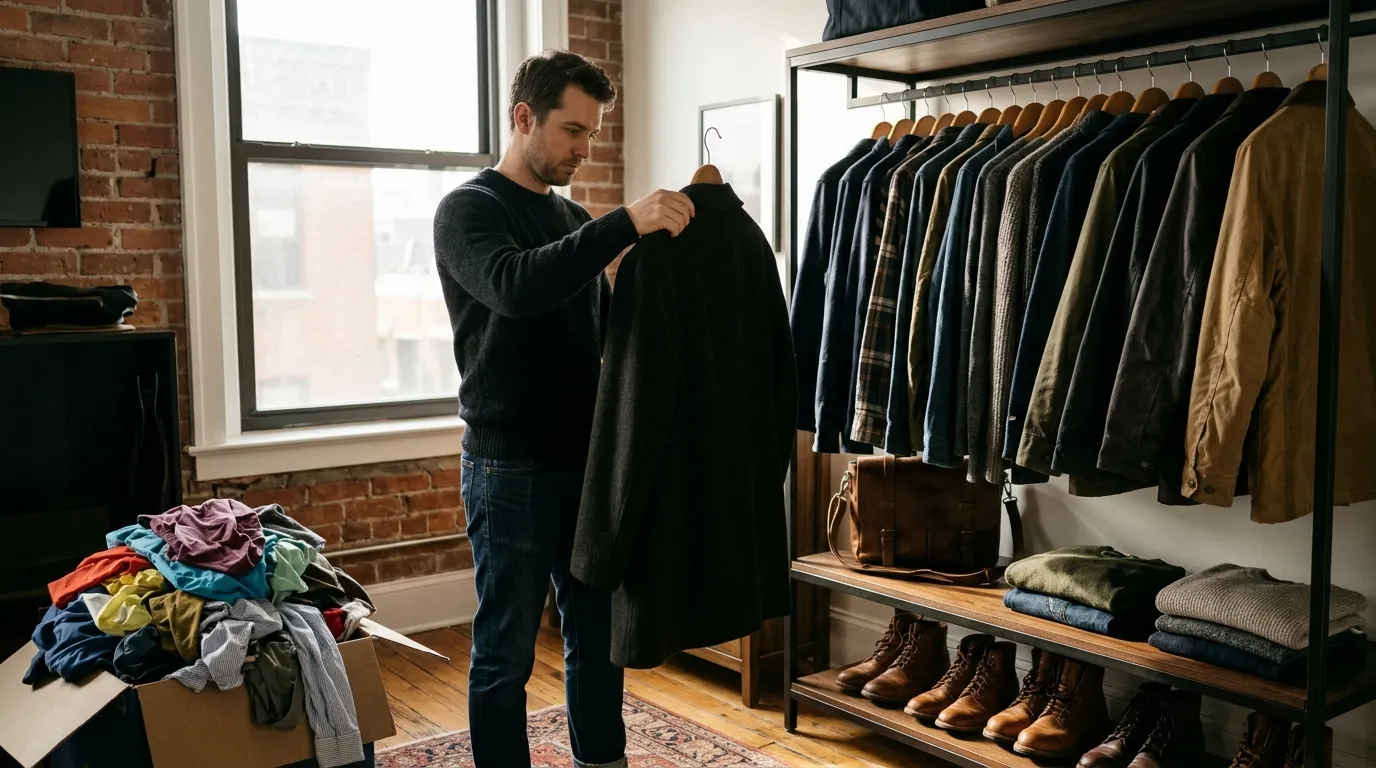
Why fast fashion is losing its shine is clear to anyone who has washed a cheap shirt more than three times. It looked sharp on the rack.
Now the collar curls, the color has faded, and a seam is coming apart near the armpit. You bought it to save money, and now you are shopping for its replacement. Sound familiar?
This guide helps you break that loop. You will check what is in your closet, find what you really wear, and replace the weak pieces with 10 to 12 well-made ones. There are no brand names and no big spending day. You buy slowly, one piece at a time.
The method works because a small wardrobe makes you care about quality. When you own fewer things, each one has to hold up. You will also learn to read labels and test seams, so you trust your own eyes more than a price tag.
Check your closet to see why fast fashion is losing its shine
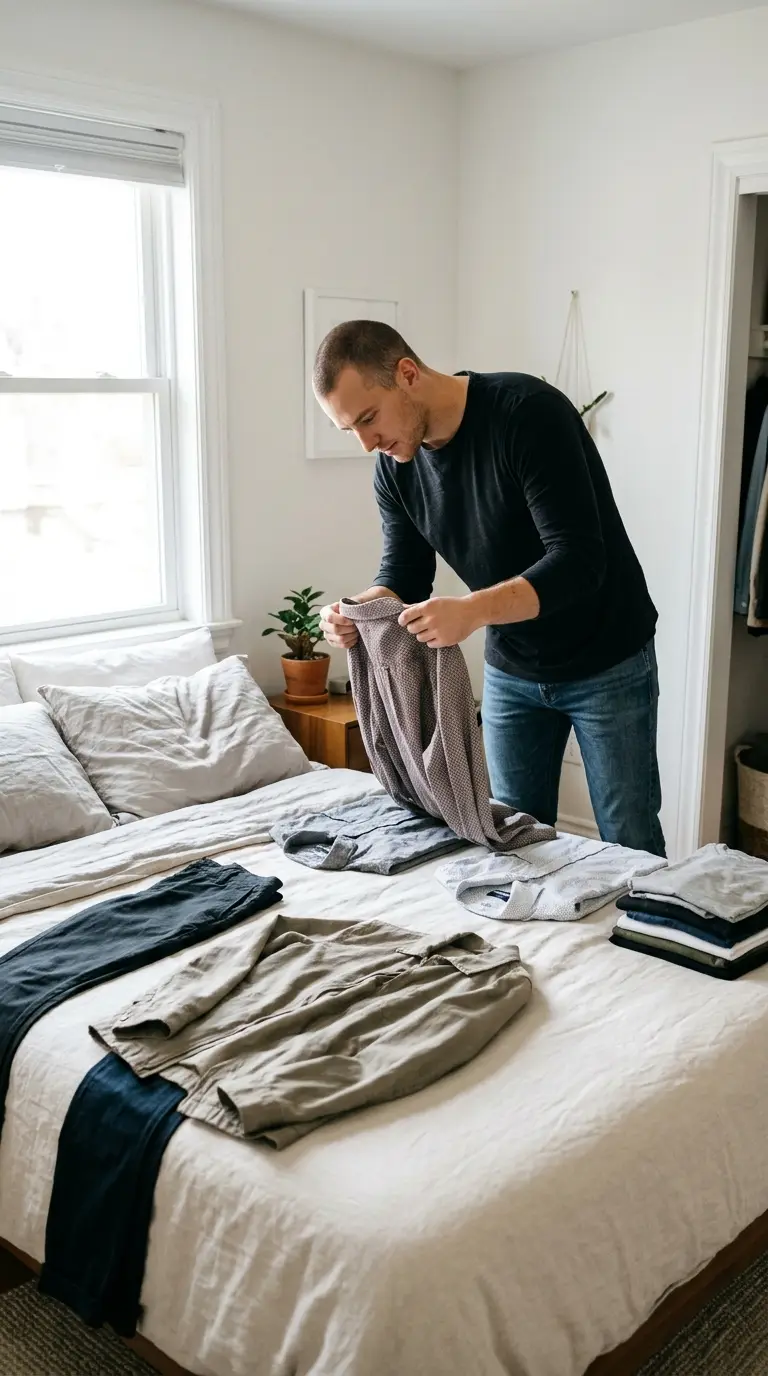
Lay every shirt, pair of pants, and jacket you own on your bed, then check each one under bright light. Look for these four signs of fast-fashion wear:
- Tiny fabric balls (pilling) on the chest or sleeves
- Color that faded after 3 to 5 washes
- A collar that curls or stretches
- Seams that twist or pull apart
Write the number of worn-out pieces in your notebook. That number is your reason for every step that follows.
Sort every piece into keep, fix, and let go piles
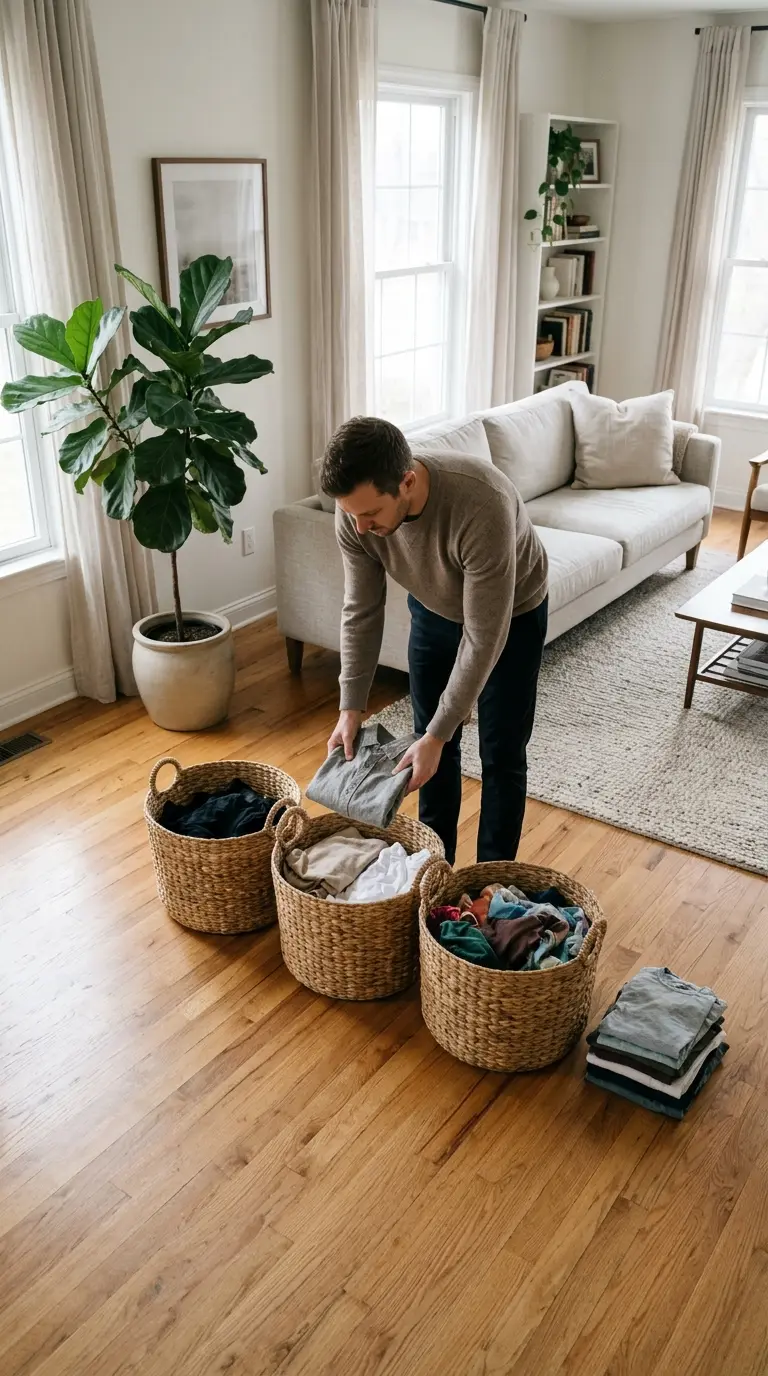
Three bags or boxes are all you need. Label them with a pen: keep, fix, and let go. Anything you wore in the last 3 months that still fits well goes in keep.
A missing button or a small tear goes in fix. Stained, stretched, or too-tight pieces go in let go.
Sorting this way means you decide only once per piece. No bags? Three laundry baskets, or three clear patches of floor, work the same.
Count what you actually wear in a normal week
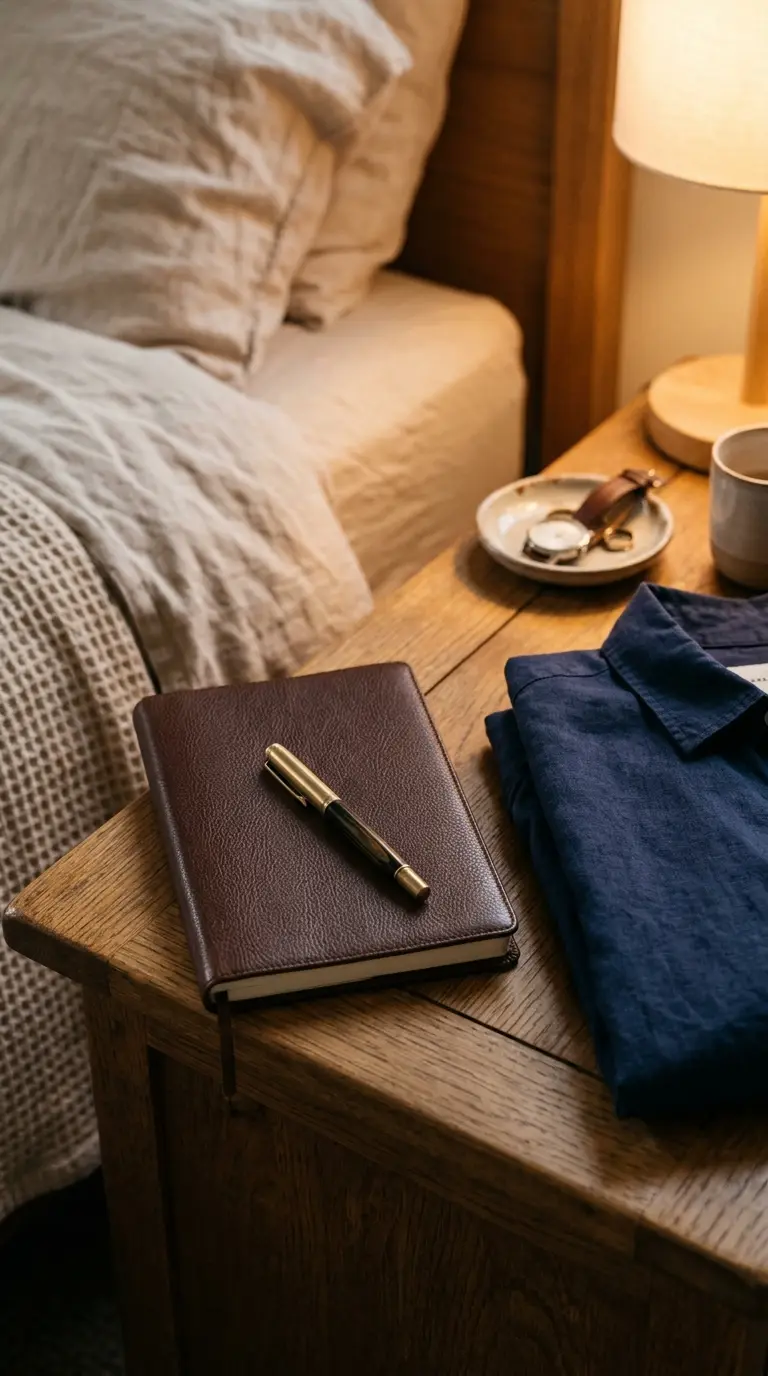
Seven days is enough to see your real habits. Each evening, write down what you wore, from shirt to shoes. A notes app on your phone works if you don’t keep a notebook.
Most men find they repeat 5 to 7 outfits while the rest of the closet collects dust. Those repeats show what your life really asks for: office shirts, weekend tees, or gym gear.
If your week was odd because of travel or a holiday, track 1 more week so the pattern is honest. This list decides what you buy later.
Pick a two-color base palette
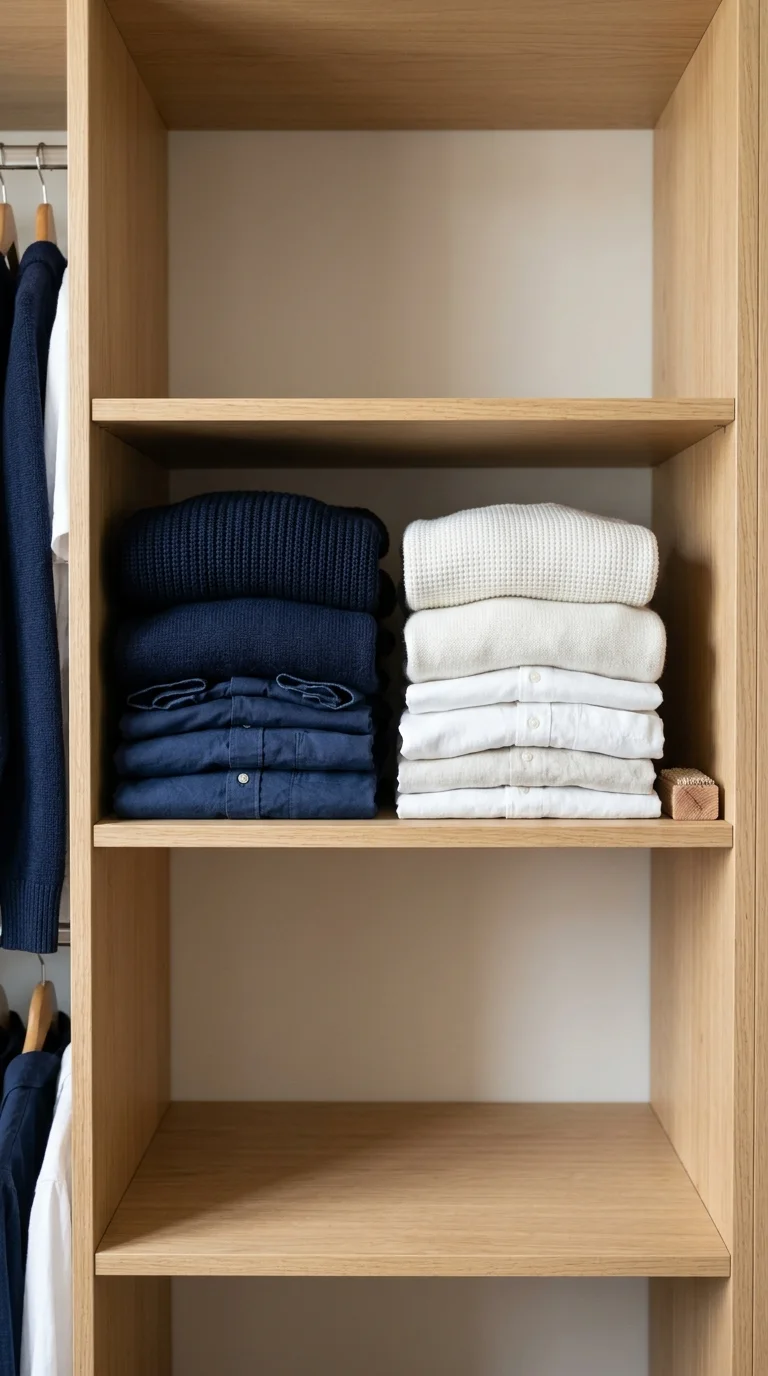
Clothes that match without effort get worn. Choose one dark neutral, such as navy, charcoal, or black, and one light neutral, such as white, grey, or tan.
Every piece you buy will fit one of those two. That means 2 colors can make 10 or more outfits.
Not sure which to pick? Look at your keep pile and choose the two colors that show up most.
Set a budget using cost per wear
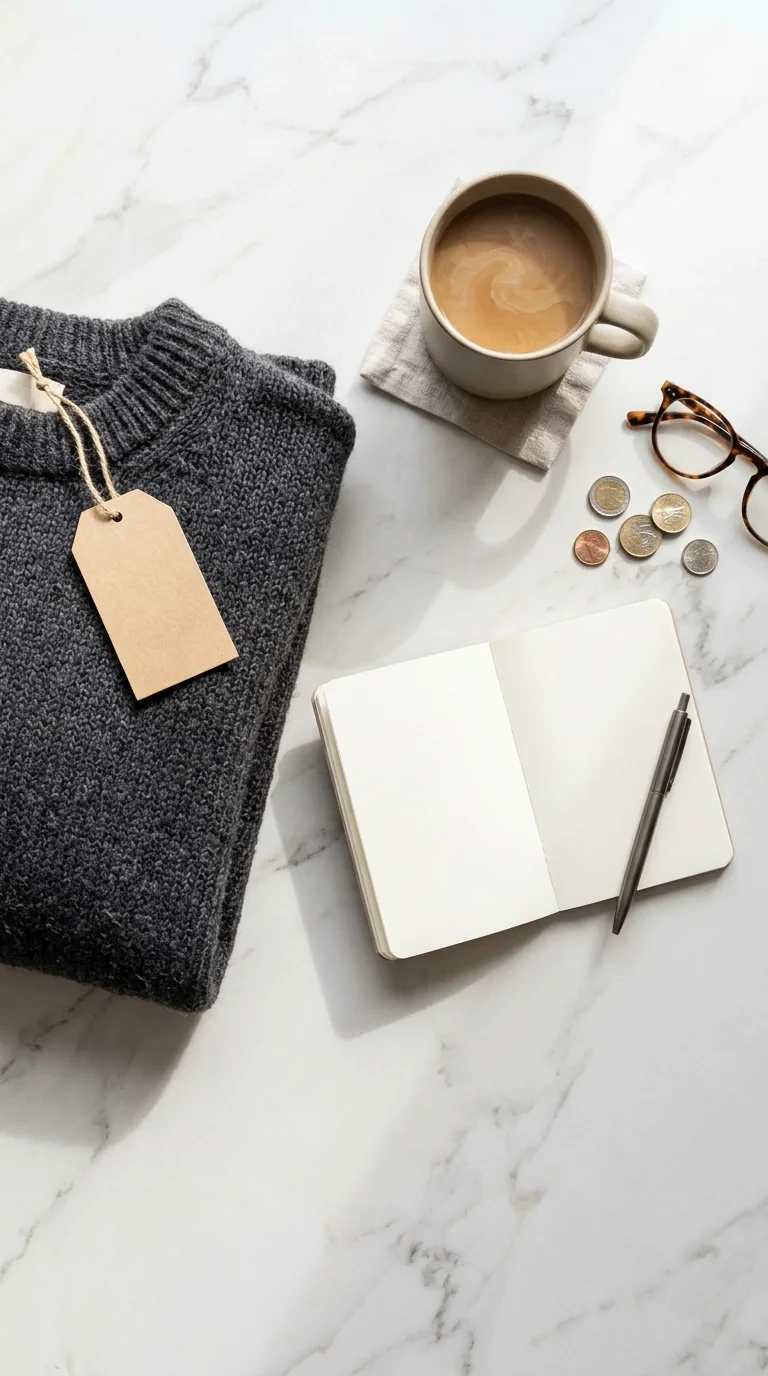
Price tags hide the real cost. Divide the price by the number of times you will wear the item. A $20 shirt that dies after 10 wears costs $2 per wear. A $60 shirt worn 60 times costs $1 per wear, so the pricier one is the cheaper buy.
Now pick a total for your first five pieces. A mid-range plan is $150 to $250. Write that number in your notebook and do not go over it.
Read the fabric label before you read the price
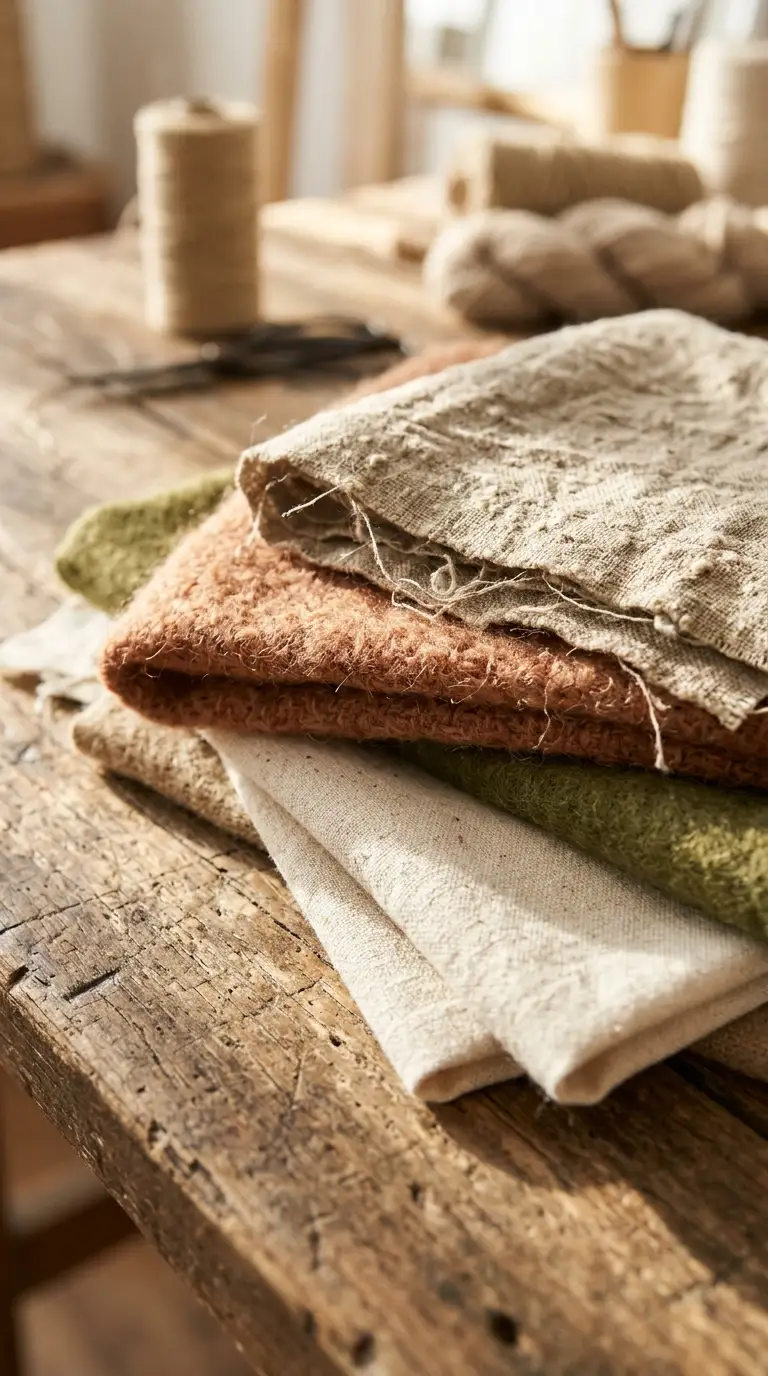
Turn the garment inside out and find the small tag along the side seam or collar. Fibers are listed from most to least. Cotton, wool, linen, and hemp hold up well.
A blend is fine when natural fiber makes up at least 60%. Leave anything that lists polyester or acrylic first on the tag, since those pill fast after a few washes.
Test the seams and fabric in the fitting room
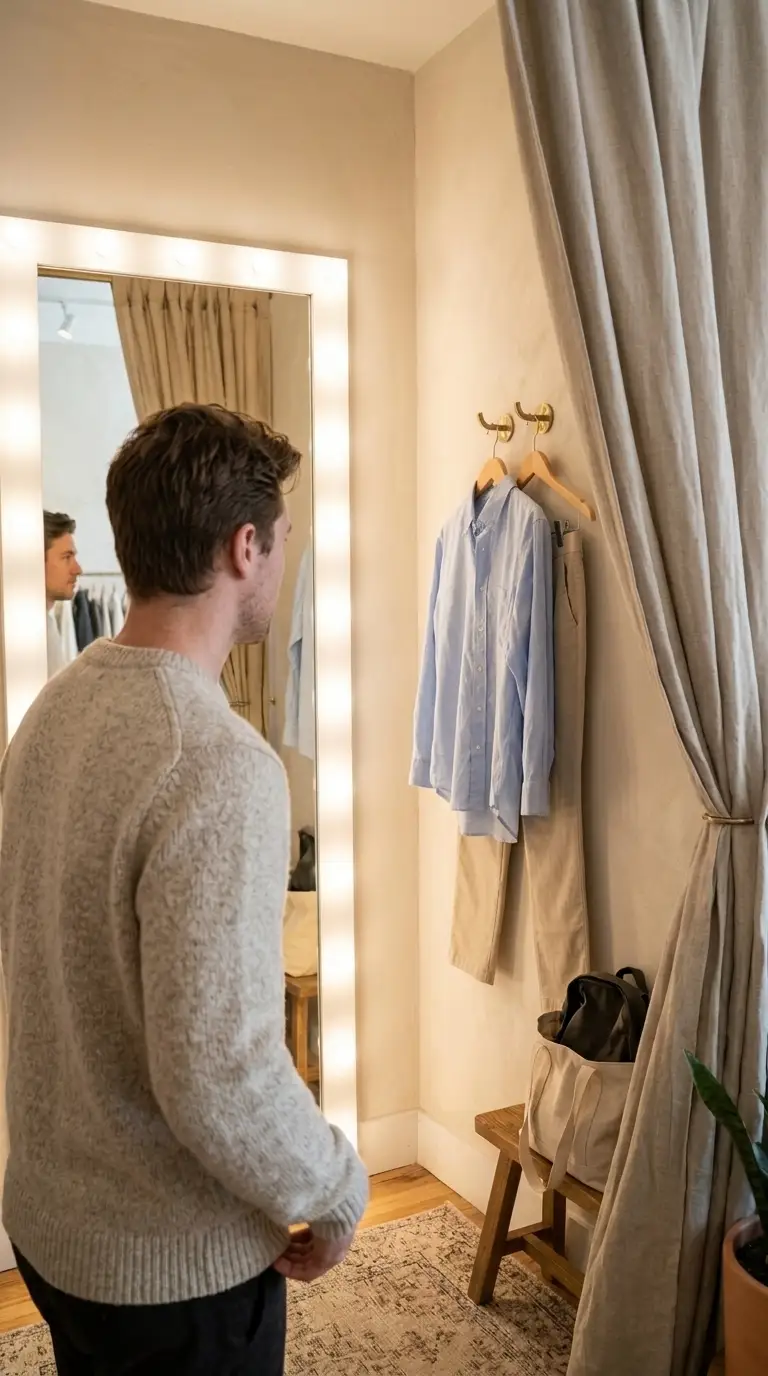
If you only have 5 minutes in the fitting room, spend them on these checks. Seams fail first, so test them before you test the fit:
- Pull a seam gently with both hands. Visible gaps mean weak stitching
- Hold the fabric up to the light. If you can see through it, it is too thin
- Rub the cloth between two fingers for 5 seconds. Fuzz means it will pill
- Tug each button. It should not wiggle
- Count the stitches in 1 inch of seam. Aim for at least 10
Buy your first five core pieces

Five pieces cover most of a normal week: 2 shirts in your light color, 1 pair of chinos or dress pants in your dark color, 1 pair of dark jeans, and 1 sweater or light jacket. Buy 1 or 2 per week instead of all at once.
That keeps you under your budget and shows you how each piece holds up after a wash. Thrift and resale shops count too, as long as the label and seams pass your tests.
Add the remaining pieces slowly over a few months
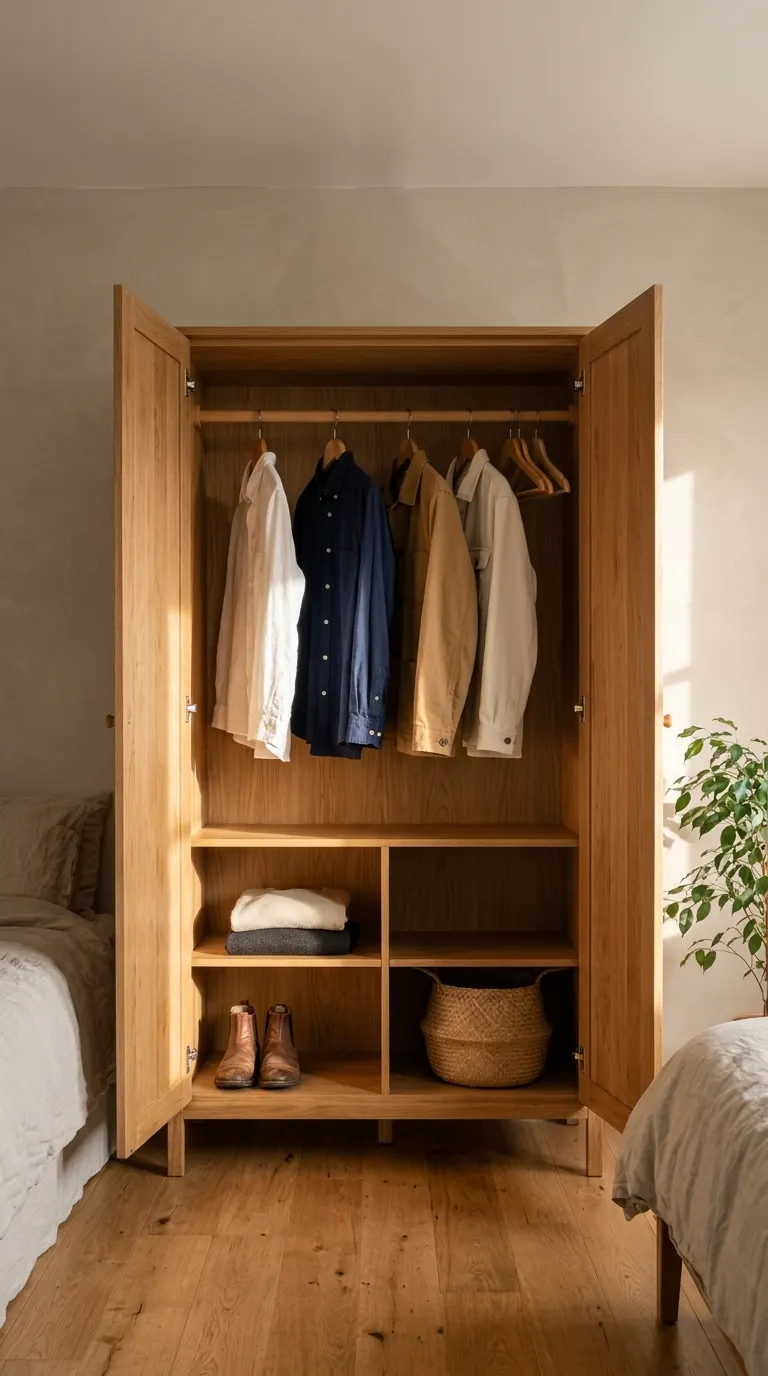
Rushing back to the store undoes the work you just did. Wait 2 weeks after your core five, then open your week notes and look for what is still missing.
Before you buy anything, ask one question: does this go with at least 3 things I already own? If not, leave it on the rack. Aim to reach 10 to 12 pieces within about 3 months.
Wash cold and hang dry to protect what you bought
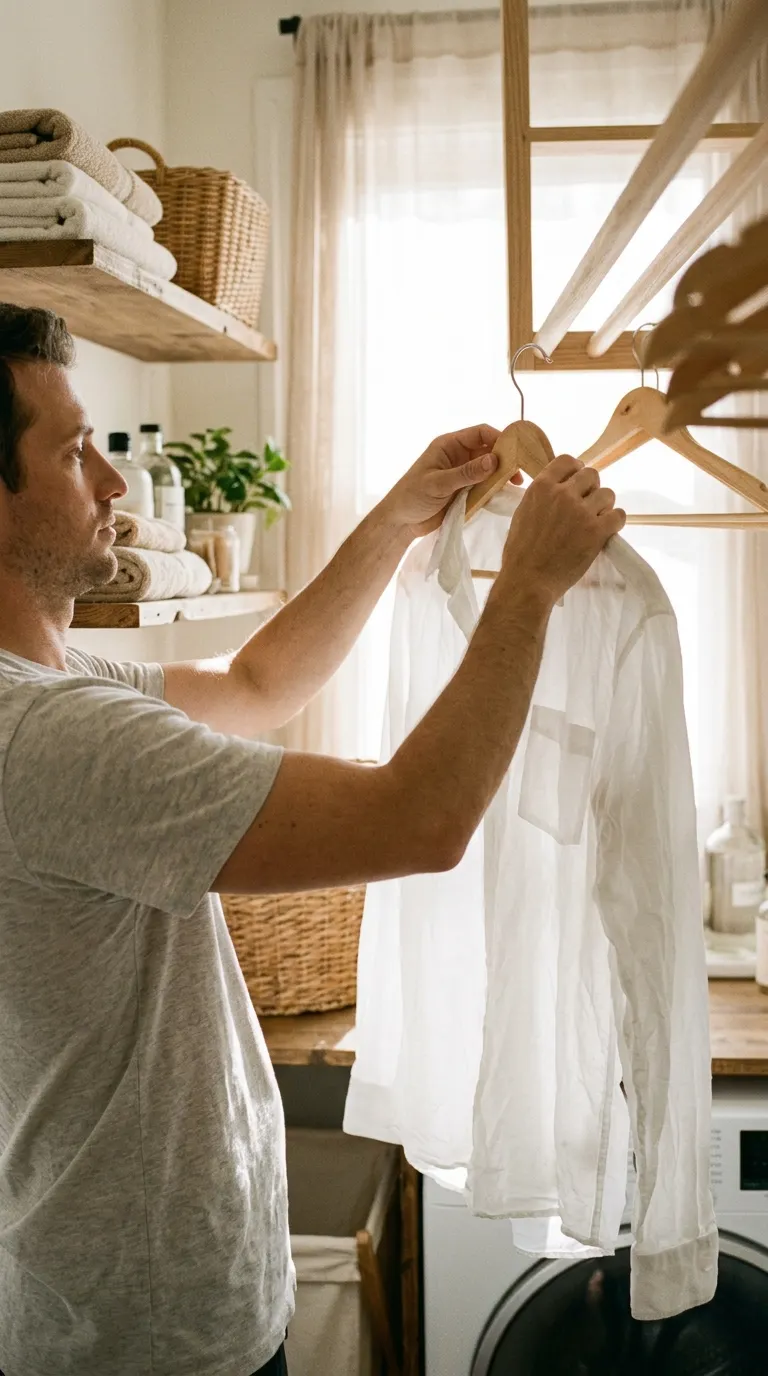
Heat is what kills clothes. Hot water shrinks fibers and fades dye, and a hot dryer cooks the stitching.
Wash at 30°C (86°F) or colder, turn each piece inside out first, and use a gentle cycle. Wash darks with darks.
Then hang each piece on a sturdy hanger or lay it flat on a towel. No drying rack? A shower rod works fine. Skip the dryer for sweaters, since it stretches the knit.
Fix small damage within a week
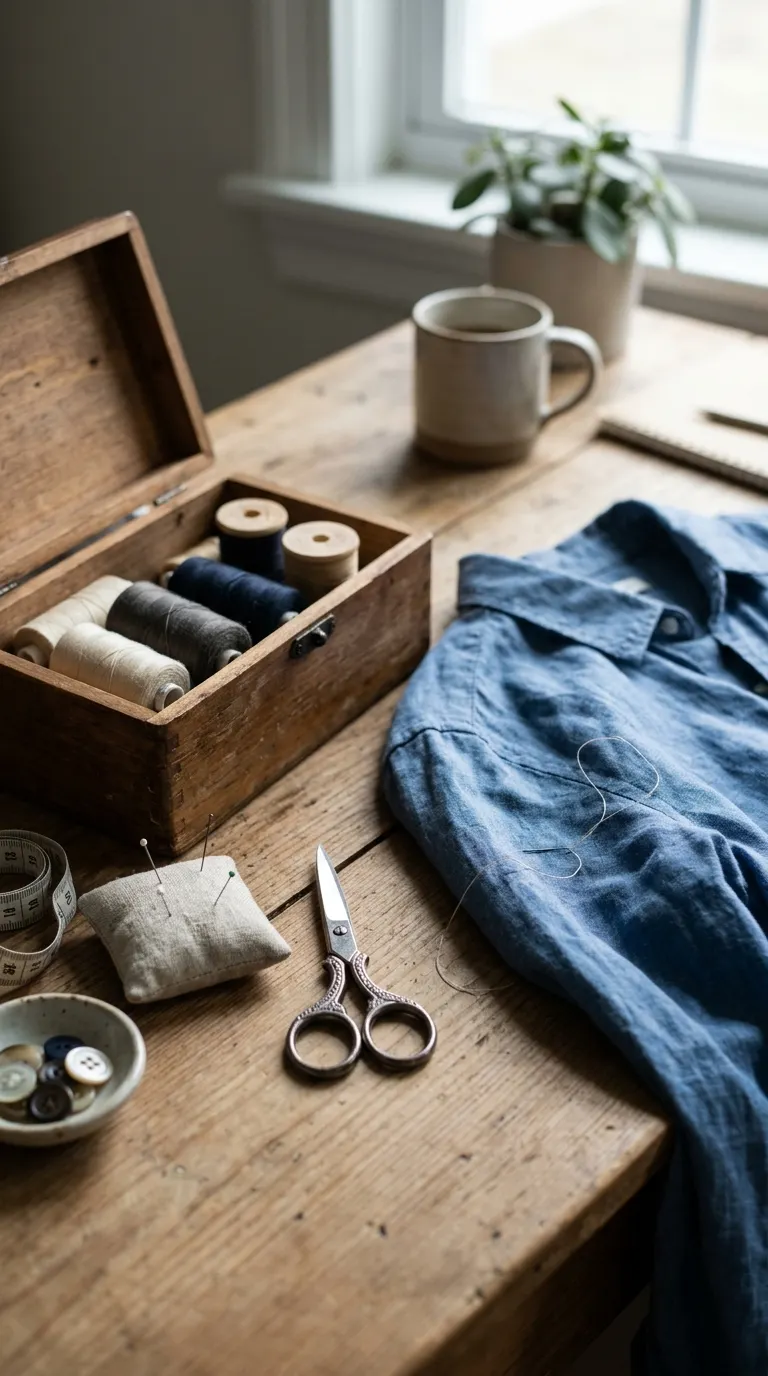
A loose button or a tiny open seam takes 5 minutes to fix today and ruins the shirt if you wait. Thread a needle, knot the end, and sew over the weak spot with small, tight stitches.
Match the thread color as closely as you can.Keep your sewing kit in the same drawer as your socks so you see it daily. For a hem or a torn lining, a local tailor usually charges only a few dollars.
Conclusion
You checked your closet, tracked your week, and learned to spot a well-made piece in seconds.
Now you know why fast fashion is losing its shine, and you have a plan that does not depend on trends.
Your next step is small: pick your two base colors and write them on the first page of your notebook.
Each piece you buy from here on has to earn its place. Save this guide to your Pinterest board so it is ready when you head to the store.